Share this
by Joanna Walker on Thursday, 14 May 2026
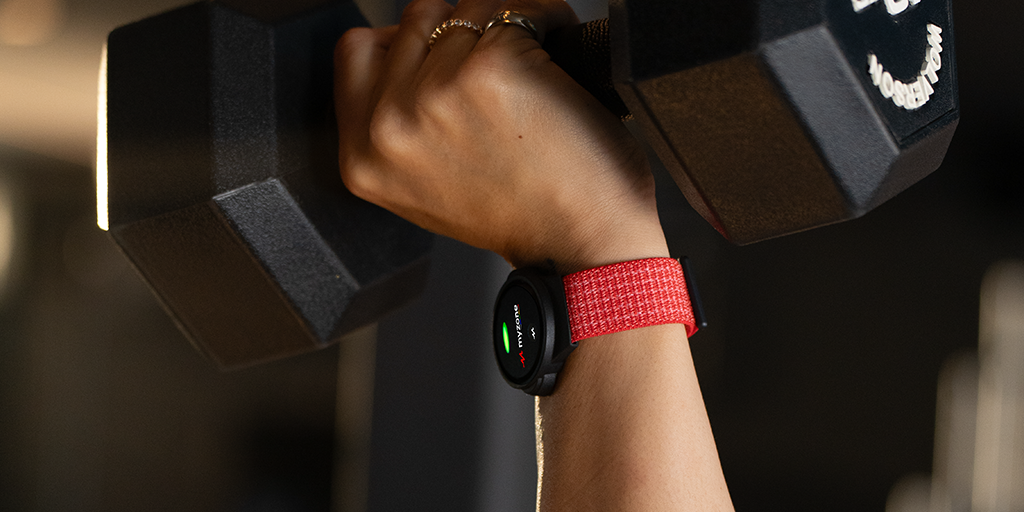
Explore how motivational technology turns effort into engagement in modern fitness facilities.
The evolution of Motivation Technology in modern fitness spaces
In fitness, motivation can no longer rely on posters on the wall and the occasional challenge board. Today’s members expect a connected experience where effort is visible, progress is recognised and community support is built into every workout. This is where Motivation Technology (MoTech) comes into its own for gyms, studios and health clubs.
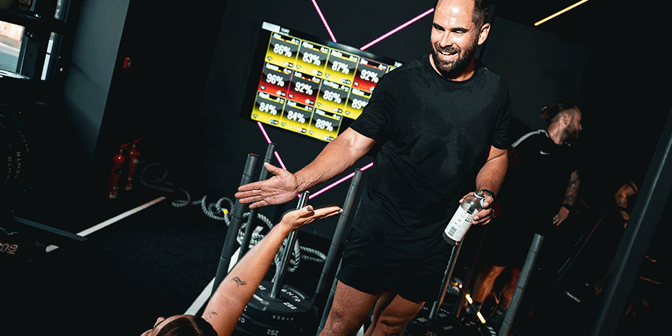
At its core, Motivation Technology combines accurate activity tracking with behaviour change science. Heart rate monitors, smartwatches and connected apps gather data in real time, but the real magic happens in how that data is presented back to members. Colour-coded heart rate zones, live effort tiles on big screens and simple post-workout summaries help people quickly understand how their body is responding to exercise. By focusing on effort rather than ability, MoTech removes many of the traditional barriers that put people off exercise. Someone new to fitness can work alongside an experienced athlete and see comparable scores based on the percentage of their own maximum heart rate. This makes group training more inclusive and encourages people to push themselves in a safe, personalised way.
Another key aspect is feedback and reward. Systems that convert time spent in elevated heart rate zones into effort points give immediate, tangible recognition to hard work. Members start to associate those points with positive outcomes: improved fitness, friendly competition and a sense of achievement. Motivational technology also extends the gym experience beyond the four walls of a facility. Members can take part in live and on-demand workouts at home, outdoors or while travelling, with their effort still contributing to challenges and leaderboards. This continuity keeps your brand present in their daily lives and helps maintain habits during busy periods.
For operators, this opens up new opportunities to evolve programming. Classes can be structured around specific heart rate zones, recovery intervals can be tailored in real time and coaches can adapt sessions on the fly based on the group’s overall effort profile. Over time, aggregated data reveals which formats, times and instructors drive the most engagement.
Ultimately, Motivation Technology is not just about gadgets—it is about creating an ecosystem where every drop of effort counts. By combining precise tracking with engaging visuals, fair rewards and social connection, gyms can unlock deeper loyalty and higher lifetime value from every member. To understand how one wearable ecosystem connects effort, engagement and results across in-club and remote experiences, explore this overview of wearable fitness technology that rewards effort.
Motivation Tech features that drive long-term gym member retention
Motivation Technology becomes truly powerful when it is designed around long-term behaviour change rather than short-term novelty. In fitness facilities, that starts with visibility: making effort, progress and participation easily understood at a glance. Real-time heart rate tiles and colour-coded zones are a strong foundation for this, especially when they’re visible on big screens in-club and on personal devices wherever members move. When members understand how hard they’re working and can compare that with previous sessions, they gain a sense of control over their journey that is deeply motivating. Reward structures then turn that visibility into action.
Systems that reward effort, not ability, are crucial for inclusive motivation. By using metrics like effort points based on percentage of maximum heart rate rather than absolute performance, every member—from first-timer to elite athlete—can compete on a level playing field. This can dramatically increase participation in group training and challenges, because people feel that their work truly counts.
Consistency is the next layer. Motivation Technology should encourage regular check-ins and streaks, not only by logging workouts but by recognising patterns and nudging people at the right time. Smart notifications, streak badges and timely prompts after missed sessions can all support members in building sustainable routines. Social features further enhance retention. Providing friend connections, small groups and in-app messaging or reactions helps members feel seen and supported.
Evidence from connected fitness platforms shows that people with richer social networks in the app often generate significantly more effort points over time, because they’re encouraged by peers and coaches.
Finally, operators need actionable data. Dashboards that surface trends in engagement, challenge participation and visit frequency enable teams to spot at-risk members early and intervene with human support. When coaches can see who has gone quiet, who is thriving and which programmes are driving the most effort, they can make smarter programming and staffing decisions. Together, these features transform motivation from a marketing promise into a measurable outcome. Gym owners that lean into this data-driven, human-centred approach are better equipped to keep members moving for years, not weeks.
For inspiration on how wearable fitness technology rewards effort and connects communities, explore Myzone’s ecosystem and read how screens and tiles boost motivation in real-world clubs in this research summary.
Designing challenges that celebrate effort, not just performance
Challenges are one of the most effective ways to make Motivation Technology feel tangible and fun. However, not all challenges are created equal. To genuinely support behaviour change and inclusivity, your challenges should celebrate effort, not just performance. Start by defining success in terms that anyone can achieve. Instead of “fastest 5K” or “most calories burned”, think about metrics such as total effort points, time spent in specific heart rate zones or number of consistent workouts logged over a set period. This ensures that older adults, beginners and people returning from injury can participate on an equal footing with your fittest members. Next, mix formats and durations. Short, high-focus events—like a weekend intensity push—can spark excitement, while longer campaigns of four to six weeks help people build new habits.
Layering big, headline challenges with smaller micro-challenges within classes keeps things fresh without overwhelming members. Visual storytelling is vital. Large displays that show live tiles, leaderboards and progress bars make every session feel like part of a bigger journey. When members see their tile change colour in real time, or watch their name climb a leaderboard during a global movement challenge, they experience a powerful feedback loop between effort and reward. Recognition should extend beyond the top 10.
Celebrate milestones such as first workout, first 1,000 effort points and streak achievements. Spotlight “most consistent” or “biggest improver” alongside overall leaders to show that all forms of progress are valued. This can be amplified through social media and in-app communications.
Finally, integrate your challenges with broader wellbeing goals. Tie campaigns to themes such as heart health month, stress management or workplace wellbeing. For corporate wellness or community partners, co-branded challenges can unite different locations and teams through shared movement targets.
By intentionally designing effort-based challenges, you turn motivational technology into a powerful engagement engine. Members stay longer because they feel recognised, connected and confident that every bit of effort moves them forward.
To see how a global fitness brand uses connected tech to bring people together around movement, explore this piece on social fitness from Athletech News: Why social fitness beats traditional community.