
Share this
by Lauren Delahoy on Tuesday, 23 June 2026

Gym owners worldwide face a universal challenge: getting members through the door is one thing, but keeping them engaged and training consistently is another. Wearable heart rate monitoring has emerged as a premier tool for bridging this gap. By making effort visible and rewarding every member regardless of fitness level, heart rate technology turns solitary workouts into connected, community experiences that drive retention.
Why Effort-Based Tracking Levels the Playing Field
Traditional gym metrics like weight lifted or distance run inherently favor members who are already fit. Effort-based heart rate tracking levels the playing field because it measures intensity as a percentage of an individual’s personal maximum heart rate.
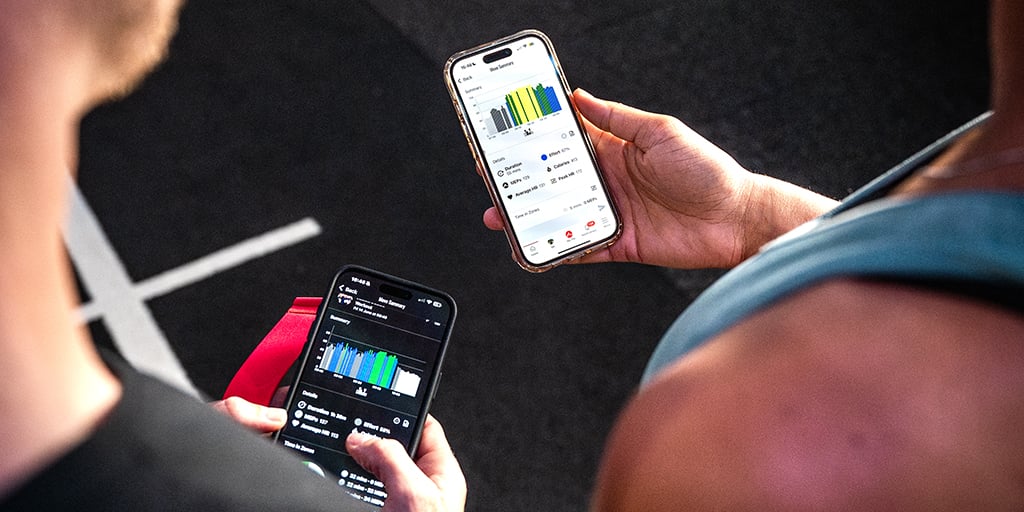
Many heart rate systems convert time spent in these zones into gamified effort points (such as Myzone Effort Points, or MEPs).
The Inclusivity Factor: A beginner working at 75% of their maximum heart rate earns the exact same recognition and points as an elite athlete training at 75% of theirs. This fairness keeps beginners motivated instead of discouraged, directly protecting your membership baseline.
The Essential Hardware & Software Setup
A complete heart rate monitoring ecosystem for commercial fitness facilities requires three primary pillars:
|
Component |
Equipment Type |
Operational Purpose |
|
1. Wearables |
Myzone heart rate monitors or your members existing smartwatches |
Captures real-time heart rate data |
|
2. In-Club Displays |
Large monitors and wireless receivers. |
Transforms individual workouts into a shared, collective visual experience on the gym floor. |
|
3. Digital Hub |
Administrative backend and consumer mobile app. |
Tracks engagement data, manages challenges, and flags members at risk of churning. |
5 Steps to a Successful Global Launch
Rolling out an engagement program requires a structured approach to ensure staff alignment and high member adoption rates.
1.Define Clear Objectives: Pre-Launch Phase.
Determine what your primary KPIs are: increasing group fitness attendance, boosting secondary revenue through wearable sales, or driving community engagement via gamified challenges.
2.Train Your Staff to Champion the Tech: Staff Alignment Phase.
Ensure coaches and front-desk staff can troubleshoot connectivity and explain zones. Instructors must learn to use live display data to adjust pacing, shout out high-effort members, and safely cue recovery.
3.Generate Pre-Launch Momentum: Marketing Phase.
Run teaser campaigns, offer exclusive pre-orders for early adopters, and host a "Launch Day" community class where every participant gets to see their live data tile on screen simultaneously.
4.Execute a Standardized Member Onboarding Journey: The First 90 Days.
Days 1–7: Guide them through app setup and their first live workout.
Days 8–30: Auto-enroll them in a low-barrier beginner challenge (e.g., hitting a modest monthly points target).
Days 31–90: Introduce them to social app features, team challenges, and quarterly progress reviews.
5.Intervene via Data Insights: Ongoing Retention Phase.
Monitor your admin dashboard weekly. When a member's average weekly effort points drop significantly, proactively reach out with an empathetic, supportive message before they decide to cancel their membership.
Maximizing ROI Beyond Your Gym Walls
The modern fitness landscape is inherently hybrid. Utilizing versatile platforms allows your facility to drive returns well beyond your physical footprint:
- Remote & Outdoor Tracking: Members tracking workouts via their app while traveling or training outdoors remain tethered to your club's ecosystem, leaderboards, and community.
- Corporate Wellness Partnerships: Partner with local or international businesses to run workplace wellness challenges. Employees earn points through any physical activity, positioning your gym as a global or regional health hub.
- Group Class & PT Upsells: Use cardiovascular efficiency data as concrete proof of progress. When a client performs the exact same workout at a lower average heart rate than three months prior, you have irrefutable proof of structural fitness gains—making personal training retention effortless.
Common Implementation Mistakes to Avoid
- Focusing Only on High Performers: Leaderboards that only celebrate top-tier athletes alienate the average member. Always design your main recognition systems around relative effort, consistency, and individual improvement.
- Letting the Technology Fade into the Background: A high-fanfare launch followed by radio silence kills momentum. Maintain a steady, predictable global cadence of challenges, seasonal events, and live coaching integrations to keep the technology front and center.