
Share this
by Joanna Walker on Wednesday, 3 June 2026
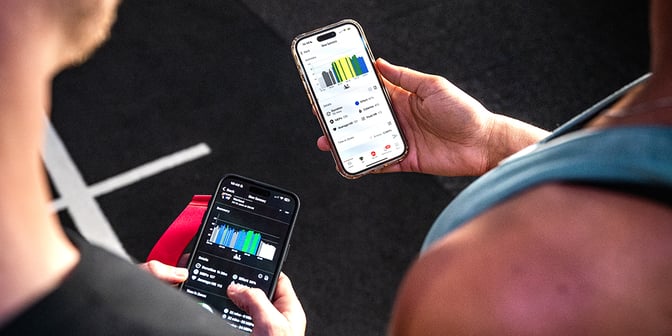
How to use data, coaching and Myzone to turn member visits into long-term loyalty.
Why data and heart rate tech matter for retention
Gym member retention is not a mystery; it is a math problem and a motivation problem. If people visit frequently, feel successful and stay emotionally connected to your brand, they are far more likely to renew. The challenge is building a system that turns those ideas into consistent day-to-day behaviour for hundreds or thousands of members. That is where data and wearable technology change the game. With Myzone, you can see who is training, how hard they are working and how their patterns change over time. Instead of guessing which members are drifting away, you gain an objective view of engagement and effort. Used well, this information lets you design experiences that keep people moving with you for longer.
Start with a clear view of the problem. Industry benchmarks show that acquiring a new member typically costs far more than keeping an existing one. Recent analyses from gym software providers, such as the retention guide from Forzive in this article on proven gym retention strategies, highlight that many facilities lose the majority of new joiners within the first 90 days. That drop-off is often driven by a lack of connection, feedback and visible progress. Myzone directly addresses those gaps. Live heart rate tiles on screens turn invisible effort into something members can see and understand. Colour-coded zones and Myzone Effort Points (MEPs) give everyone—from beginners to experienced athletes—a fair way to measure success based on their own maximum heart rate.
When members feel that their work is recognised, they show up more often. From a retention standpoint, the most valuable members are not just those who pay; they are those who actively use your club. Myzone data lets you monitor visit frequency and training intensity, identifying early warning signs such as declining MEPs, fewer sessions or sudden disengagement from group challenges. Instead of waiting for cancellations, your team can intervene with tailored communication, invitations and support.
Beyond individual behaviour, aggregate usage data helps you refine your overall strategy. You can spot which classes drive the highest average effort, which times of day attract your most loyal members and how specific campaigns influence engagement. Over time, this insight makes it easier to invest in the programmes, people and spaces that keep your community training with you.
Coaching and programming that make every visit count
When it comes to gym member retention, every visit is either moving people closer to staying for years or drifting towards cancellation. The difference usually comes down to how intentional you are about the experience around those visits. Technology like Myzone can transform what happens on the floor, but it is the coaching and programming you build on top of it that really moves the retention needle.
First, think about what “a great session” looks like for different segments of your membership. A beginner might define success as simply turning up twice a week and feeling less intimidated. A performance-focused member might be chasing specific heart rate zones and performance gains. By using live tiles, post-workout summaries and effort-based rewards, you can design sessions that give each group a clear sense of progress every time they train. For group training, heart rate tiles are your best friend. They allow coaches to keep an eye on the whole room in seconds, nudging people up or down in intensity to keep them safe and successful. This creates a feeling of personal attention, even in a busy class.
When members notice that a coach spots their tile and adjusts the workout just for them, it builds emotional connection and trust. Challenges are another powerful tool. Rather than focusing only on short-term promotions, build a calendar of effort-based campaigns that support long-term habits. For example, a 6‑week consistency challenge where members earn rewards for hitting a weekly Myzone Effort Points (MEPs) target keeps them checking in regularly.
You can find a practical step-by-step guide for running these campaigns in Myzone’s own content, such as this article on creating member challenges. Programming should also be informed by what the data shows. If you notice that certain class types or times correlate with better long-term visit patterns, double down on them. If some formats underperform, experiment with how you use heart rate zones, coaching cues or gamification to make them more engaging.
Over time you will build a schedule that is tuned not just for attendance, but for retention. Finally, remember that the role of technology is to enhance human connection, not replace it. Train your coaches to use data as a conversation starter: “I saw you hit a new MEPs record this month” or “Your average zone has shifted since last quarter—how are you feeling?” Those small, personalised touchpoints are what transform heart rate data into long-term loyalty.

Operational plays to keep members engaged for years
Driving long-term retention is not about one single tactic; it is about building an operating system that consistently nudges members towards more visits, more effort and more connection. With the right use of Myzone, you can turn your gym into a place where members feel both seen and successful every time they train. Start by making setup and onboarding effortless. New members should be able to receive their belt or wearable, connect to your displays and understand what the colour zones mean within minutes. Resources like Myzone’s own guidance on building an effective environment, including this playbook for creating Myzone-driven spaces, are invaluable here. The more confident people feel using the tech on day one, the less likely they are to drift away later. Next, bake data-driven habits into your daily operations.
Give your front-of-house and coaching teams simple routines, such as checking a dashboard at the start of each shift to identify at-risk members. Someone whose visits and MEPs have dropped sharply over the last month should trigger a friendly outreach: a quick email, app message or conversation at the desk to invite them back into a class or challenge. You can also use data to recognise and reward loyalty.
Celebrate milestones like 100 visits, new status levels or long streaks of consistent training. Share success stories—particularly those where members have turned around a period of low activity—through your email newsletter or social channels. Research and real-world case studies, such as Myzone’s early insights on how increased visit frequency correlates with longer membership lifetimes in this article on increased retention, show that recognition fuels behaviour change.
Operational excellence also means ensuring your tech works reliably. Stable connectivity, well-positioned screens and easy access to your Myzone software make a big difference during busy periods. If members can always see their tiles light up and stay connected from class to class, they will build a habit of trusting the experience. Ultimately, the goal is simple: more members using their membership more often.
By combining accurate effort tracking with thoughtful programming, proactive outreach and seamless operations, you can turn usage data into a genuine retention engine. The gyms that win in the next decade will not be those that shout the loudest about sign-ups, but those that quietly build systems that keep people moving with them for years.