Share this
by Joanna Walker on Friday, 5 June 2026

Discover how motivational technology empowers coaches to deliver more personalised, effective training.
Putting Motivation Technology in the hands of coaches
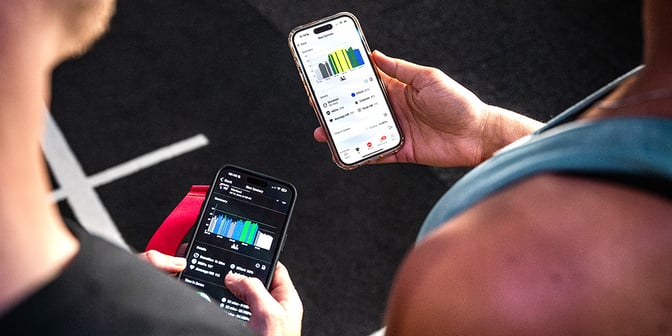
Personal trainers and coaches are at the frontline of bringing Motivation Technology to life. While platforms and devices provide the infrastructure, it is the human connection that turns heart rate data and effort points into meaningful change for clients. When used well, motivational technology becomes a powerful extension of a coach’s expertise. At a basic level, heart rate-based systems give coaches a clear, objective window into how clients respond to training in real time. Instead of guessing whether a client is working in the right intensity range, coaches can see colour-coded zones and live tiles on screens or devices. This makes it easier to calibrate workouts, ensuring they are challenging enough to drive adaptation but not so intense that they become discouraging or unsafe.
Beyond intensity control, Motivation Technology can enhance coaching by changing how success is defined. By rewarding effort, not just performance, digital platforms allow coaches to celebrate clients who show up consistently and push within their own capabilities. A beginner who spends more time in moderate zones may earn as much recognition as a seasoned athlete working at higher levels, because both are judged relative to their own capacity. The data captured across sessions also unlocks more informed programming.
Trends in effort points, session frequency and zone distribution reveal which training approaches are most effective for each client. Coaches can use this information to design progressive plans, adjust on the fly and demonstrate tangible progress during reviews.
Motivation Technology further extends the coach-client relationship beyond face-to-face sessions. Clients can log workouts at home, during travel or in other facilities, with effort still contributing to shared goals and challenges. Coaches can review this remote activity, provide feedback and keep clients engaged between appointments. For fitness businesses, empowering coaches with motivational technology supports retention. Clients who feel seen, supported and rewarded are more likely to stay, refer friends and invest in additional services. Coaches, in turn, benefit from stronger reputations and clearer differentiation in a competitive market.
Ultimately, the future of coaching sits at the intersection of empathy, expertise and smart tech. Coaches who embrace Motivation Technology are better equipped to help more people move more often, while maintaining the personal connection that makes change sustainable. To learn how a heart rate-based ecosystem can underpin this approach, explore this overview of wearable fitness technology that rewards effort.
Building trust and accountability through transparent effort tracking
Trust is central to every effective coaching relationship, and Motivation Technology can be a powerful ally in building it. Transparent effort tracking removes much of the guesswork from training conversations. Instead of relying solely on subjective feedback—“that felt hard” or “I wasn’t really trying”—coaches and clients can look at concrete data together.
Heart rate tiles, effort points and post-session summaries show exactly how much work was done, how consistently the client hit target zones and whether recovery was adequate. When these insights are accessible to both coach and client through apps and in-club displays, they create a shared picture of progress. This transparency supports honest goal-setting. A coach can highlight patterns such as intensity that is always too low on certain days, or overexertion that risks burnout. Together, they can adjust session plans, recovery strategies and even lifestyle habits. Clients feel more involved and more confident that the programme is tailored to them. Accountability is strengthened by regular check-ins supported by data. Coaches can set weekly or monthly effort targets—such as a certain number of minutes in specific heart rate zones or a total effort point goal—and review performance during consultations.
Instead of vague questions about whether clients “kept up with their training”, the conversation becomes, “You hit your effort goal four weeks in a row; how did that feel?” Motivation Technology can also smooth the experience when life gets in the way. If a client has a period of low activity, the coach can see this early and respond with empathy and practical solutions, rather than only discovering the issue at the next in-person session. Remote workouts still count, ensuring that effort is recognised even when clients are away from the club.
For personal trainers working with multiple clients, dashboards that flag streaks, drops in engagement and milestone achievements help prioritise outreach. A quick message congratulating a client on a new status level or first challenge completion can be the small nudge that keeps them engaged for the long term. Ultimately, transparent effort tracking turns coaching into a collaborative process rooted in shared evidence.
Clients see that their coach is not judging them but partnering with them to interpret the data and make smarter decisions. This builds loyalty, enhances results and differentiates coaches in a crowded marketplace. To see how one platform visualises effort to create more engaging sessions, explore this overview of wearable fitness technology, and dive deeper into the motivational impact of screens and tiles in this research summary.
Using motivation data to coach smarter, not just harder
The value of Motivation Technology for coaches is not in pushing clients harder at every opportunity, but in enabling smarter, more individualised programming. By combining heart rate data, effort points and behavioural trends, coaches can tailor training in ways that would be impossible with observation alone. Firstly, effort data across multiple sessions reveals each client’s unique response to different workout types. Some may thrive on interval-based classes that spike intensity, while others respond better to steady-state efforts.
By reviewing heart rate curves and zone distribution, coaches can match session formats to physiology and preference, improving both enjoyment and outcomes. Secondly, recovery becomes more visible. If a client repeatedly shows elevated heart rates at lower workloads or struggles to reach target zones, it may indicate fatigue, stress or inadequate sleep. Coaches can use these insights to adjust weekly training loads, incorporate more active recovery and educate clients on lifestyle factors that affect performance.
Motivation Technology also helps coaches manage groups without losing sight of individuals. In small group training, live tiles on a screen mean a trainer can instantly spot who needs to ease off, who can be safely pushed and who might require form corrections. This creates a safer, more personalised experience within scalable formats. For long-term planning, aggregated data across weeks and months supports periodisation. Coaches can design cycles that gradually increase total effort points or time in key zones, building towards specific events or health goals. Progress can be reviewed with visual reports, making performance gains tangible even when scale weight or appearance changes are slow.
Finally, coaches can use data to celebrate wins that matter to each client. Someone returning from injury might be most proud of maintaining consistent green-zone efforts without pain, while another person might be motivated by hitting a new status level or challenge ranking. By aligning recognition with the story told by the data, coaches keep motivation aligned with what matters most to each individual.
In this way, Motivation Technology elevates coaching from session-by-session instruction to a rich, evidence-based partnership. Coaches who embrace these tools position themselves as experts in both human connection and smart use of data, making their services more valuable in an increasingly digital fitness landscape. For examples of how heart rate-based platforms support personalised training and retention, visit this overview of wearable fitness technology for professionals.