
Share this
by Myzone on Tuesday, 25 October 2016
How do you talk to your clients about exercise? How do you motivate them to sustain their exercise routine to become a lifelong habit? Current research from affective and behavioral science suggests that some of the traditional methods of “selling” exercise (i.e. promoting health benefits and weight loss) might not be the most affective in promoting adherence.
In a recent article titled, From a Vital Sign to Vitality: Selling Exercise So Patients Want to Buy It (published in the Translational Journal of the American College of Sports Medicine; ACSM), Michelle Segar, Eva Guérin, Edward Phillips, and Michelle Fortier provide evidence for some alternative methods of “selling” exercise so that patients want to buy it (in our case as fitness professionals, we are “selling” exercise to our clients rather than to patients).
The authors make the argument that the current paradigm being used in the Exercise is Medicine® (EIM) initiative is more of a physician-centered approach rather than a patient-centered approach. Now, let us first explain the EIM initiative before we tell you how this may also ring true for the fitness professional-exercise client relationship.
EIM began in the United States in 2007 as a joint initiative between ACSM and the American Medical Association. EIM is now in over 40 countries around the world. One of the goals of EIM is to promote preventive health care and encourage physicians to treat physical activity (exercise) as a vital sign and prescribe exercise to patients. Exercise is framed as a “vital sign” and all of the weight- and health-related benefits of exercise are touted to persuade both physicians and patients of the value of exercise.

Whereas this seems to be an effective message in persuading physicians, Segar and her colleagues argue that what is most convincing to physicians is not the same for patients. They argue that patients are motivated in their decision-making by their desired experiences and aspirations rather than health benefits.
Perhaps this holds true in the fitness professional-exercise client relationship as well? As fitness professionals, we are motivated to encourage our clients to exercise because we are aware of all of the health-related benefits (and have probably experienced them ourselves); however, our clients might not be as persuaded or motivated by the health-related benefits. Even if clients come to us with health-related goals (i.e. weight loss, decreased blood pressure) or have been told by their physician to start exercising, these might be the factors that convince them to start exercising, but are not the same factors that motivate them to continue exercising.
In the aforementioned article, the authors provide six evidence-based suggestions for clinicians to use in “selling” exercise to their clients to promote a sustained exercise routine. In this two-part blog post, we have distilled those six suggestions into four strategies for the fitness professional to “sell” exercise to clients in a way that will make them repeat customers. We will share the first strategy in this blog (Part I) and will share the other three in Part II. Further, we will outline how you can integrate MYZONE into your sales strategy to enhance client motivation and adherence.
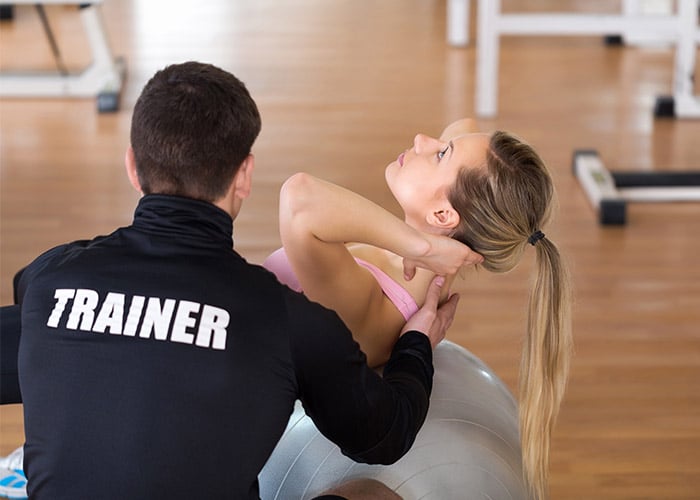
Here is the first takeaway for fitness professionals:
1. Brand or market exercise to help clients achieve their desired experiences and aspirations.
In the business world, businesses conduct marketing research to understand what will make people become repeat buyers of their products or services. Then, the businesses align their products and services to match client goals and needs. As fitness professionals, we should do the same thing. We should first take time to understand our clients true desired experiences and outcomes before we outline an exercise program for them. This will probably take some time in getting to know our clients and seeing how they respond to various frequencies, intensities, durations, and modes of exercise, but it is worth it because we want to create the type of program that will keep our clients coming back for more.
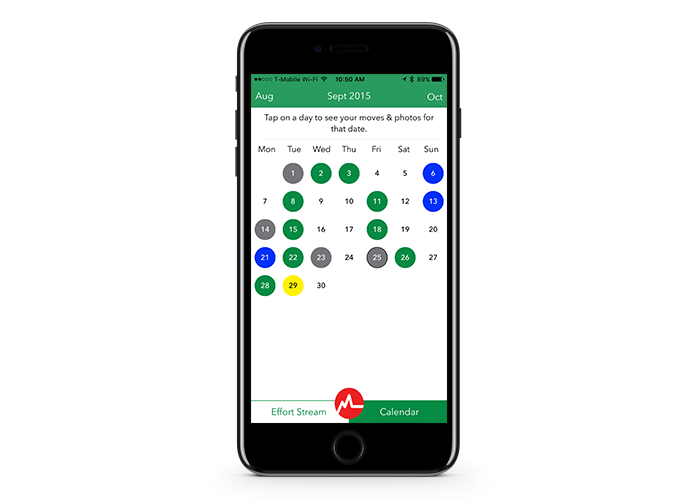
The Activity Calendar feature of MYZONE will help you track how your client is responding to various frequencies, intensities, durations, and modes of exercise. When you and your client are not in session and they are working out on their own, ask your client to write in a comment or two about their experience with their workout and have them use the “Rate How You Feel” feature on the MYZONE App (coming soon). You can monitor all of your client’s workouts via the Social Connections Feed on the MYZONE App, which allows you to provide feedback as your client is uploading their workout!
We hope you and your clients find this strategy helpful! Read Part II coming soon and let us know how these strategies are working for you and your clients. Post to Facebook, Instagram, and Twitter and use the hashtags: #effortrewarded #myzonemoves.
For more tips on how to use the MYZONE heart rate monitor, follow us during Fitness Fridays on Facebook Live (subscribe on MYZONE’s Facebook Page) – 8 am PT, 11 am ET.
Keep moving forward!