
Share this
by Myzone on Monday, 22 June 2026
Summary
Understanding your normal heart rate by age is essential for optimizing your fitness journey and tracking your cardiovascular health. This guide covers:
- Normal resting ranges from infancy through older adulthood.
- How maximum heart rate declines with age, and how to use it to set personalized training zones.
- Key factors that influence resting heart rate, including fitness, environment, stress, and sleep.
- How effort-based, heart rate-guided training builds consistency and optimizes recovery.
What Your Resting Heart Rate Reveals About Your Fitness Level
Your resting heart rate is a powerful indicator of your fitness level and overall health. Measured when you are completely at rest, it reflects how efficiently your heart pumps blood throughout your body.
-
The Normal Range: For most adults, a normal resting heart rate falls between 60 and 100 beats per minute (bpm).
-
The Fitness Factor: A lower resting heart rate indicates a stronger, more efficient heart muscle. Active individuals often develop resting heart rates at the lower end of this spectrum, or even below it.
Monitoring changes in your resting heart rate provides valuable insights into your fitness progression. As your cardiovascular endurance improves, your resting heart rate gradually decreases, proving your heart can meet your body's oxygen demands with less effort.
Tracking this metric establishes your personal baseline. Rather than comparing your numbers to others, look for individual trends. Sudden increases in your resting heart rate may signal overtraining, insufficient recovery, stress, or illness, empowering you to adjust your routine and prevent burnout.
Understanding Normal Heart Rate Ranges Across Different Age Groups
Heart rate norms vary significantly across different life stages due to natural physiological changes. Understanding the normal heart rate by age helps set appropriate cardiovascular expectations.
Average Resting Heart Rate by Age Group:
| Age Group | Normal Range (bpm) |
| Newborns | 100 – 160 |
| Toddlers (1–2 years) | 90 – 150 |
| School-Age Children | 70 – 100 |
| Adults (General) | 60 – 100 |
| Active Adults | 50 – 60 (or lower) |
While young adults often achieve resting heart rates in the lower fifties or sixties, slight increases naturally occur as individuals enter middle age and their senior years. However, regular exercise supports healthy heart function regardless of age.
Estimating Maximum Heart Rate:
Maximum heart rate predictably decreases with age. You can estimate your maximum limit using a simple formula:
220 - Your Age = Maximum Heart Rate
For example, a 25-year-old has an estimated maximum of 195 beats per minute, while a 55-year-old’s maximum is roughly 165 beats per minute. This age-adjusted baseline is the foundation for creating safe, personalized training zones.
How Heart Rate Zones Guide Your Training Effectiveness
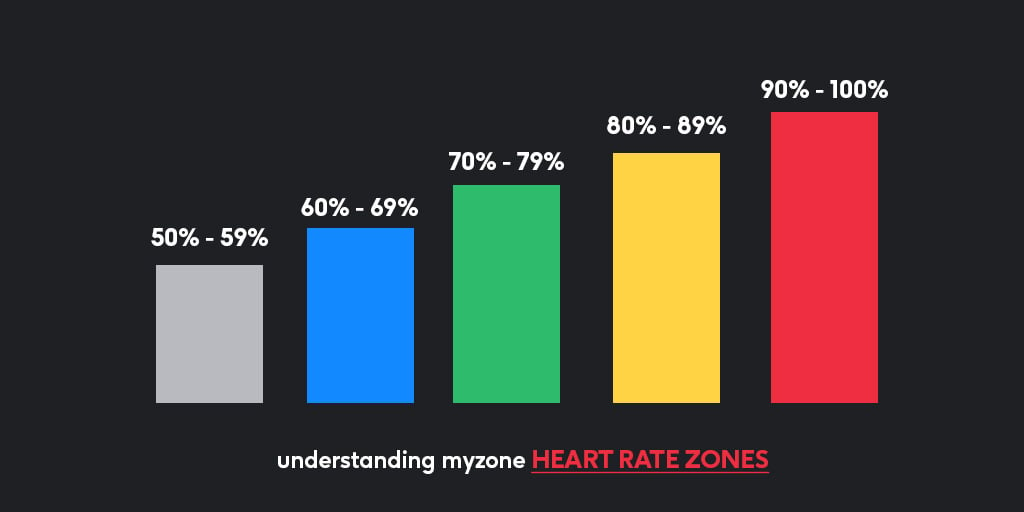
Heart rate zones provide a structured framework to optimize your workout intensity. Divided into five distinct ranges based on a percentage of your maximum heart rate, these zones trigger specific physiological benefits:
-
Zone 1 (50–60%): Warm-up and recovery. Promotes blood flow and prepares the body for demanding exercise.
-
Zone 2 (60–70%): Builds your aerobic base and supports fat metabolism. Ideal for sustainable cardiovascular endurance.
-
Zone 3 (70–80%): Challenges your aerobic capacity. Improves your ability to sustain higher intensities.
-
Zone 4 (80–90%): Raises your lactate threshold. Increases speed and performance limits.
-
Zone 5 (90–100%): Develops anaerobic capacity and peak power. Requires adequate post-workout recovery.
Applying heart rate zones transforms your workouts from guesswork into precision training. Instead of relying on perceived effort—which is easily skewed by fatigue or mood—objective heart rate monitoring ensures you train at the exact intensity required for your specific goals.
Factors That Influence Your Resting Heart Rate
Even among people of similar age and fitness levels, significant individual variations exist. Several daily variables impact your resting heart rate:
-
Cardiovascular Fitness: Regular aerobic activity strengthens the heart, allowing it to pump more blood per beat and lowering your baseline rate.
-
Environment: Extreme temperatures and dehydration force your heart to beat more frequently to regulate your core temperature and circulate fluids.
-
Stress and Sleep: Physical and psychological stress trigger hormones that accelerate your heart rate. Poor sleep prevents optimal recovery, keeping your baseline elevated.
-
Substances and Medications: Stimulants like caffeine and nicotine spike your heart rate, while certain cardiovascular medications intentionally modify it.
-
Body Position: Standing produces higher readings than sitting or lying down due to gravity's effect on blood distribution.
Using Heart Rate Data to Build Consistent Exercise Habits
Heart rate data transforms abstract fitness goals into concrete, measurable progress. Tracking your heart rate creates an objective record of your effort, boosting your confidence and supporting long-term habit building.
Benefits of Effort-Based Tracking:
-
Creates an Inclusive Environment: A beginner working at moderate intensity demonstrates the same dedication and earns similar health benefits as an elite athlete pushing for peak performance.
-
Prevents Burnout: Monitoring resting heart rate trends tells you exactly when your body needs recovery and when it is ready for higher intensity.
-
Provides Real-Time Accountability: Live feedback during workouts keeps you engaged, ensuring every session remains purposeful
By focusing on your personal effort rather than comparing yourself to others, you build the intrinsic motivation necessary to turn temporary exercise routines into lasting lifestyle changes.
Q&A
Question: What is a normal resting heart rate for my age, and what does it say about my fitness? Resting heart rate varies by age and fitness. Most adults fall between 60–100 bpm, while children run higher (70–160 bpm, depending on age). Highly active adults often sit below 60 bpm because a stronger, efficient heart requires fewer beats to circulate blood.
Question: How do I estimate my maximum heart rate and use it to set training zones? Subtract your age from 220 to estimate your maximum heart rate. Use this number to establish five training zones—ranging from 50% (recovery) to 100% (peak anaerobic effort). This ensures you tailor your workout intensity safely to your age and goals.
Question: What can cause my resting heart rate to change from day to day? Daily fluctuations are completely normal. Your heart rate is influenced by hydration levels, extreme temperatures, stress, sleep quality, stimulants like caffeine, medications, and even your body position.
Question: How should I use heart rate during workouts to train smarter and avoid burnout? Use real-time tracking to stay within your target zone for the day’s specific goal (e.g., Zone 2 for endurance, Zone 5 for intervals). Monitor your resting trends to know when to push hard and when to prioritize recovery.
Question: Should I compare my heart rate numbers to other people’s? No. Always focus on your personal baseline. Individual factors like genetics, fitness history, and daily lifestyle habits make direct comparisons misleading. Tracking your own trends offers the most valuable insight into your progress.